Advertisement
Banking with Citibank might seem like a convenient choice—especially if you’re looking for a large network, international reach, and access to both everyday banking and credit products. But like any bank, it comes with its own set of systems and policies that aren’t always obvious at first.
The way accounts are set up, how fees are applied, and where the real benefits are—all of that can affect how you manage your money. Whether you're already a customer or just considering opening an account, here are five things worth knowing about Citibank.
Citibank doesn’t offer checking and savings accounts as standalone products in the traditional sense. Instead, accounts are grouped into packages. These include the Basic Banking Package, Citibank Account Package, Citi Priority, and Citigold, each with different features and fee rules.
Every package includes a checking account and usually a savings or money market account, but the terms vary. Each has specific requirements to waive monthly fees, such as maintaining a minimum average balance or setting up recurring transactions like direct deposit or bill pay.
Citibank may move you between packages without much notice if your activity or balance changes significantly. This can affect your eligibility for fee waivers or perks without you realizing it. For example, someone who no longer maintains the balance required for Citi Priority may find their account downgraded, with fewer features and a different fee schedule.
Understanding your account’s exact terms—and checking your package details through online banking—can save you from unexpected costs or benefit loss.
Monthly service fees are one of the main drawbacks of banking with Citibank, but they aren’t unavoidable. Most accounts come with a fee that kicks in unless you meet specific balance or activity requirements. These range from $10 to $30, depending on your account tier.
What counts toward those requirements isn’t always straightforward. For example, linked investment balances with Citi Personal Wealth Management may count toward the minimum balance in higher-tier packages, but not in basic ones. Checking this detail matters if you're trying to avoid fees.
The system works well for people who consistently meet those balance thresholds. But if your income or spending fluctuates from month to month, keeping up with the requirements can be tricky. That’s especially true for students, freelancers, or anyone with irregular financial activity.
It's a good idea to set alerts for low balances and regularly review your statements. These small habits can help you avoid fees that can easily go unnoticed until they’ve added up.
If you travel often or live abroad, Citibank’s global presence is one of its best features. The bank has branches and ATMs in many countries, and offers cross-border services that are harder to find with smaller or regional banks. You can use your Citibank debit card in many countries without paying international ATM fees—especially if you have a higher-tier package that offers reimbursement for those charges.
Their global transfer options are also more streamlined than many competitors. Sending money internationally through Citibank is usually faster and easier, with lower fees compared to standard wire services. Some transfers can even be done instantly between Citibank accounts in different countries.
For those who spend time overseas or frequently send funds to family or business contacts abroad, Citibank’s network offers real convenience. But the benefits vary depending on your account type. Not every package includes ATM fee reimbursements or lower transfer costs, so it’s worth confirming what’s included with your specific plan.
Experiences with Citibank’s customer service vary widely. Some customers find the in-person service at branches to be friendly and helpful. Others report delays and unhelpful responses when using phone or online support.

The digital experience is generally solid. The mobile app supports mobile check deposit, automatic alerts, transfers between accounts, and access to credit card management tools. It’s user-friendly and consistently updated.
However, if an issue arises that can’t be handled through the app, getting it resolved may take time. This can be frustrating, especially if you’re dealing with something time-sensitive like a declined card or account hold. Customers with higher-tier accounts often get faster, more direct access to customer support through a dedicated line or personal banker.
If regular support is important to you, especially in complex situations, you might find the experience inconsistent. For simpler banking needs managed online, it works just fine.
Citibank’s real strength is in its credit card products, not in its checking or savings accounts. Cards like the Citi Double Cash and Custom Cash offer solid cash-back rewards, balance transfer options, and special interest rates. If you’re looking for value, those cards are where you’ll find it.
On the banking side, interest rates on savings accounts tend to be low unless you qualify for a premium-tier account—and even then, they’re often not as competitive as those from online banks. Most checking accounts don’t offer any rewards or benefits beyond basic banking tools.
For customers who already use Citibank credit cards, keeping a linked checking account might offer convenience in terms of transfers, payments, and viewing everything in one app. But if you’re hoping to grow your money or earn perks from your checking balance alone, the offerings fall short.
If you’re after better interest rates or reward features tied to your deposits, you may need to keep a second account elsewhere alongside your Citibank relationship.
Citibank is a well-established name with clear advantages for certain types of customers, especially those who need global access or already use its credit products. But the structure of its accounts, the presence of fees, and the limited incentives for deposit accounts mean it’s not the right fit for everyone. Staying informed about your account package and how fees are triggered can help you avoid surprises. While its credit cards shine, the day-to-day banking experience is more practical than rewarding unless you meet specific criteria. Citibank works well—if you know how to work with it.
Advertisement

Discover the top 12 things to do in Honolulu, from scenic hikes to markets, coastal walks, and tropical garden visits.

Discover the prettiest places across Canada, from lakes and cities to wild mountain ranges.

How to get double taxation relief and avoid paying tax twice on your overseas income. Understand tax credit, exemptions, and double taxation avoidance agreements

What a non-conforming loan is, how it works, and when it makes sense to use one. Understand key differences from traditional loans and explore options like a jumbo loan

Enjoy a relaxing Ibiza trip away from the party scene, with beaches, nature, and local spots.

Learn the most common reasons you might receive an income tax notice and how to handle it. Understand what triggers notices from the tax department and stay prepared

Experience the best road trips in Portugal across beaches, cliffs, and valleys—ideal for a calm and scenic getaway.

How to deposit cash into someone else’s account using safe and approved methods. This guide covers shared accounts, ATMs, and money order options for secure transactions

How the custom alerts feature on Groww keeps you updated on your investments with timely notifications, making decisions easier and more informed
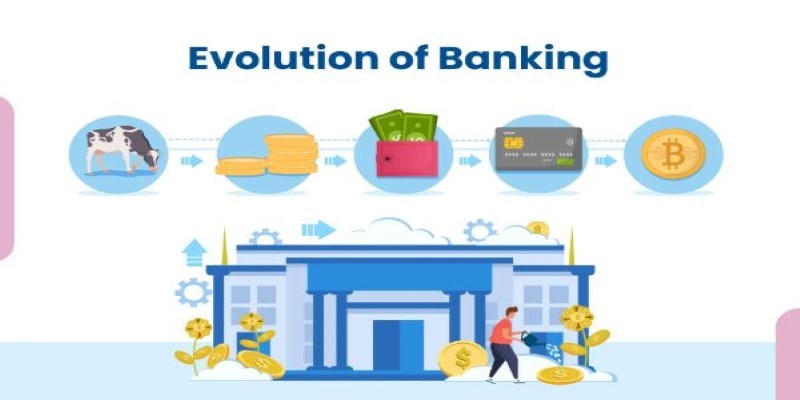
Explore the evolution of banking in India, tracing its journey from informal moneylenders to a modern, technology-driven system that promotes financial inclusion and accessibility

Discover the best energy stocks to buy in India 2023, featuring top companies leading the charge in renewables, power, and sustainable energy growth

Discover 11 scenic and stress-free day trips from Rome, from lakes and spas to hill towns and beach escapes.