Advertisement
Most people think getting a mortgage is a one-size-fits-all process—but real life rarely fits neatly into a checklist. Maybe your dream home is priced above the standard loan limit. Maybe your income isn’t from a regular paycheck. Or maybe the property itself doesn’t meet the usual standards. These are the kinds of situations where a non-conforming loan comes into play.
It’s not a fallback or a lesser option—it’s just different. For many buyers, it’s the only way forward when traditional loans say no. Understanding how non-conforming loans work can help you make smarter, more realistic choices about buying a home.
To get why non-conforming loans exist, it helps to first look at what makes a loan “conforming.” A conforming loan follows set rules around size, credit score, income verification, and property type. These rules come from Fannie Mae and Freddie Mac—two government-supported companies that buy and guarantee most home loans in the U.S. Loans that meet their criteria are considered lower risk and easier to resell.

Non-conforming loans break one or more of those rules. The most common example is a loan that’s larger than the current limit—these are called jumbo loans. Other examples include loans for borrowers with limited credit history, irregular income, or loans used for unusual properties. Since these loans carry more risk, lenders don’t sell them as easily. That risk gets passed on in the form of higher interest rates or stricter terms.
While conforming loans are widely available, non-conforming loans are often handled by specialty lenders. These lenders are willing to take on more risk in exchange for higher returns. Borrowers may find non-conforming loans harder to qualify for, but they also offer more flexibility when a standard loan isn’t an option.
Non-conforming loans come in several forms, each designed for different borrower needs. Jumbo loans are the best-known type. These are used when the loan amount goes over the conforming limit, which varies by location but is usually around $750,000. Because these loans involve larger sums, lenders often ask for higher credit scores, more income proof, and a bigger down payment—often 10% or more.
There are also loans meant for people who don’t fit into the regular income mold. This includes self-employed borrowers, freelancers, and contractors. These individuals may have strong earnings but lack the predictable pay stubs traditional lenders want. Non-conforming loans for this group often rely on bank statements, cash flow, or asset-based documentation to prove repayment ability.
Some loans are tailored to unique or non-standard properties. Homes that need major repairs, mixed-use buildings, or unconventional structures may not qualify for a conforming loan. Non-conforming loans give buyers a way to finance these properties when others won’t.
While government loans like FHA or VA offer alternatives for certain borrowers, they have separate rules and are insured by federal programs. Non-conforming loans, on the other hand, are private-market solutions that lack government backing. The lender takes on all the risk, which is why the terms are often stricter.
For some buyers, non-conforming loans are the only realistic option. One advantage is their flexibility. If your income is hard to verify by traditional means, or if your credit isn’t ideal, a non-conforming loan may still be within reach. Jumbo loans allow people to buy in high-cost markets, where conforming loans fall short.

These loans also open the door to buying homes that don’t meet the criteria set by conventional lenders. Whether it’s a fixer-upper, a multi-unit property, or a home with an unusual structure, non-conforming financing can make the purchase possible.
However, these benefits come with trade-offs. Interest rates are usually higher. Down payments may be larger. Lenders may want more paperwork and take longer to approve the loan. Since the loans can’t be sold easily, lenders are more cautious, and the borrower often pays for that caution through stricter terms.
There’s also less availability. Not every bank or lender offers non-conforming options. You may need to work with specialized lenders, which can limit your choices and lead to more research on your part. But for many buyers, the flexibility outweighs the drawbacks.
Non-conforming loans are useful when traditional loans are not available. If you're buying a property that costs more than the conforming loan cap and you have solid income and credit, a jumbo loan may be your only path forward. These loans are especially common in areas where home prices are high, and conforming limits don't stretch far enough.
Self-employed individuals often don’t fit into the rigid income verification process used for conforming loans. Even if they earn enough, the way their income appears on paper can make qualifying difficult. Non-conforming loans that accept alternative proof of income can offer a solution.
These loans are also helpful when buying unique homes—like properties that need repairs, multi-family buildings, or homes with unusual construction. In these cases, conforming loans might be denied, while a non-conforming lender might be more open to the deal.
Still, these loans aren’t ideal for everyone. The higher rates and down payments can be a hurdle. It’s important to weigh the long-term costs and understand the terms. Borrowers should compare multiple lenders and consider whether the extra flexibility justifies the added cost.
A non-conforming loan is designed for situations where traditional mortgages fall short. Whether it’s a jumbo loan for a high-value property, a loan for self-employed income, or financing for a one-of-a-kind home, this type of loan fills in the gaps left by the standard mortgage market. While they carry more restrictions and often come with higher costs, non-conforming loans offer a path forward for buyers who don't fit into the usual mold. They allow for more diverse situations, giving people access to homes that may otherwise be out of reach. With the right planning, they can be a solid option.
Advertisement

Use this helpful guide to explore Louisville, Kentucky using public transport and walking.

Discover Los Angeles through its best neighborhoods, filled with culture, food, art, and unique stories.
What a tax haven is, how it works, and its impact on global finance. Learn why individuals and companies use tax havens and how they shape international taxation

Plan your first trip to Napa Valley with this calm, scenic travel guide focused on nature, wellness, food, and relaxation.
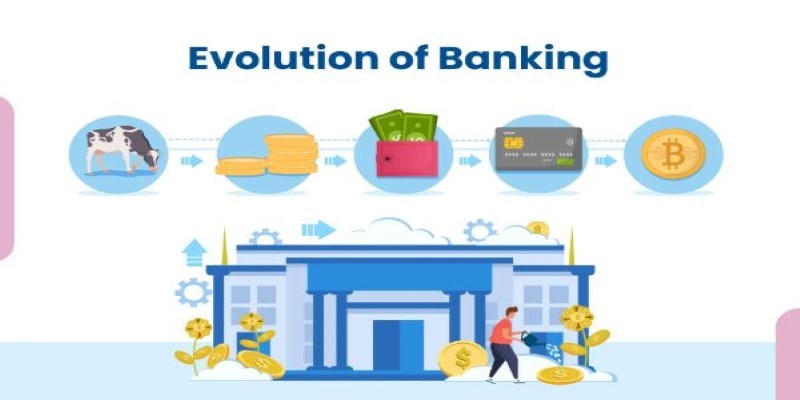
Explore the evolution of banking in India, tracing its journey from informal moneylenders to a modern, technology-driven system that promotes financial inclusion and accessibility

Plan Glacier National Park visit with tips on permits, trails, shuttles, lodging, gear essentials, and wildlife safety.

Discover the top 12 things to do in Honolulu, from scenic hikes to markets, coastal walks, and tropical garden visits.

Explore the best day trips from San Francisco with this detailed guide. Discover coastal views, redwood forests, and charming small towns perfect for quick escapes

How your state affects pet insurance costs, from veterinary fees and local laws to regional risks. Learn what drives premiums and how to choose the right plan

Discover 11 scenic and stress-free day trips from Rome, from lakes and spas to hill towns and beach escapes.

How breed influences pet insurance costs and why some pets are more expensive to cover. Understand breed-specific health risks and make informed choices for your pet’s care

How the custom alerts feature on Groww keeps you updated on your investments with timely notifications, making decisions easier and more informed